Beetle Cetoniinae, Flower Watercolor Review
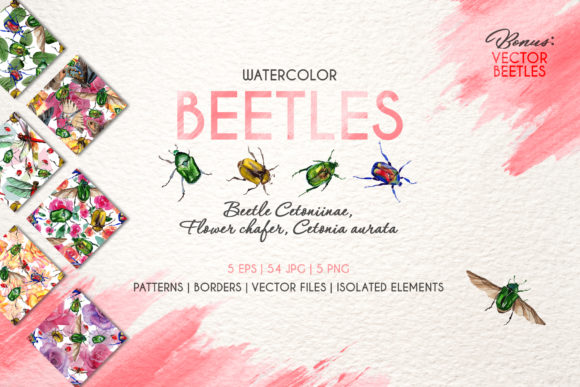
As a designer who has spent years translating digital art into tangible thread, I approach every new machine embroidery design with a mix of excitement and caution. The gap between a beautiful screen image and a successful finished product can be wide, filled with potential pitfalls like puckering, color bleeding, or lost detail. When I first opened the file for Beetle Cetoniinae,Flower Watercolor, my immediate reaction was to the mood it set. This is not a rigid, geometric illustration; it breathes. The watercolor aesthetic suggests softness, blending, and organic movement, which is a delightful challenge in the world of fill stitch and satin stitch.
The combination of a beetle from the Cetoniinae subfamily—often known as flower chafers—and delicate floral elements creates a whimsical yet sophisticated narrative. For those running a craft business or an Etsy shop, this type of digital embroidery file offers a distinct advantage: it stands out against the sea of bold, graphic logos and simple text designs that dominate the market. However, before committing this to a client order or a small batch of inventory, we need to dig deeper into how Beetle Cetoniinae,Flower Watercolor behaves under real-world conditions.
Visual Personality and First Impressions
The strength of this design lies in its categorization within Illustrations. It does not scream for attention through aggressive lines but rather invites the eye to linger on the gradients and textures. In a digital preview, the watercolor effect mimics the way paint bleeds into paper. Translating this to thread requires careful consideration of thread colors and stitch density. If the design relies heavily on subtle shading, a standard fill stitch might look too solid unless the machine settings are dialed in perfectly to create a lighter, more airy texture.
I imagine this design sitting beautifully on a cream-colored linen tote bag or a heather-grey sweatshirt. The organic shapes of the beetle and flowers would soften the structured nature of the fabric. For a personalized gift, perhaps a baby blanket or a nursery pillow cover, the gentle aesthetic fits perfectly. It feels like something a parent would want to display prominently, adding a touch of nature-inspired charm without being overly cartoonish. The visual appeal here is high, but it demands respect for the medium. You cannot simply load the file and hit start; you must understand the interplay between the embroidery project goals and the physical limitations of the thread.
Real-World Application Scenarios
Let’s talk about a specific scenario. Imagine you are preparing a collection of custom apparel for a local boutique specializing in eco-friendly goods. You decide to use Beetle Cetoniinae,Flower Watercolor on a series of canvas aprons and heavy cotton tote bags. The sturdy nature of these fabrics provides an excellent foundation. The beetle motif, often associated with pollination and garden life, aligns perfectly with the brand identity of a green-focused shop. Customers browsing your small shop product line would likely perceive this as a high-value, artisanal item.
In this context, the design serves as a conversation starter. Unlike generic text patches, this embroidered patch style design tells a story. If you were to place it on a sweatshirt embroidery project, the placement would be key. A left-chest pocket area works well for a smaller version, while a back-of-shirt layout could allow for a larger, more dramatic presentation. For holiday embroidery gifts, think of wrapping this design on a velvet pouch or a decorative tea towel. The contrast of the vibrant beetle against a dark background could be striking, provided the stitch density is adjusted to ensure visibility.
However, versatility comes with caveats. While the design is beautiful, it is not a one-size-fits-all solution. If you attempt to shrink this design down to fit a tiny cap brim, the delicate watercolor details may vanish, leaving only a muddy blob of thread. The intricate legs of the beetle and the petal edges require space to breathe. Similarly, using this on very thin or stretchy fabrics like jersey knit without the proper stabilizer could lead to distortion. The organic curves of the design might pull unevenly if the fabric stretches during stitching, ruining the flow of the artwork.
Critical Considerations for Designers
Before you sell a single item featuring Beetle Cetoniinae,Flower Watercolor, you must perform a rigorous test run. Always test the design on scrap fabric that matches your final product's weight and texture. Check the hoop size requirements carefully; if the design is large, ensure your hoop can accommodate it without distorting the tension. Inspect the small details closely after stitching. Are the fine lines of the beetle's antennae visible? Do the watercolor gradients blend smoothly, or do they look like harsh bands of color?
Color selection is another critical factor. On light fabrics, you have the freedom to use pastel threads to enhance the watercolor feel. On dark fabrics, you will need to consider a backing layer or a dense underlay to make the lighter colors pop. Without sufficient coverage, the dark fabric will show through, dulling the vibrancy of the handmade product. Additionally, review the licensing terms of the digital product seller. Ensure you have the right to sell finished items or digital files if you plan to resell the design itself. This protects your commercial embroidery business from legal issues and builds trust with your customers.
Think about the end-user experience. Will the design withstand frequent washing? Dense areas of fill stitch can sometimes cause stiffness or cracking over time, especially on garments that go through the wash often. If you are making baby embroidery items, softness is paramount. You might need to reduce the stitch count slightly or use a softer thread to maintain comfort. For wedding gifts or special occasion items where washing frequency is lower, you can prioritize visual impact over durability, allowing for more intricate detailing.
Maximizing Value and Professionalism
Ultimately, the decision to use Beetle Cetoniinae,Flower Watercolor should be driven by how it elevates your brand. A well-executed embroidery design adds significant value to a basic item. A plain tote bag becomes a collectible accessory when adorned with such a thoughtful illustration. It signals to the buyer that care and creativity went into the creation process. This level of detail fosters buyer engagement and encourages repeat business. People buy stories, and this design offers a compelling narrative of nature and artistry.
To truly leverage this asset, create high-quality printable mockups that showcase the design on various products. Show it on a cap, a pillow, and a shirt so potential customers can visualize the possibilities. Compare how it looks on light versus dark backgrounds to guide your inventory choices. Remember, the goal is consistency. If your brand is known for clean, modern aesthetics, ensure the whimsical nature of this beetle and flower design aligns with your overall brand consistency.
In conclusion, Beetle Cetoniinae,Flower Watercolor is a gem for designers willing to put in the work. It rewards precision and thoughtful execution. By testing thoroughly, choosing the right fabrics, and respecting the intricacies of the machine embroidery design, you can create stunning pieces that resonate with customers. Whether you are a hobbyist making gifts for friends or a professional running a thriving craft business, this design offers a unique opportunity to bring a bit of nature's beauty into the world of thread and fabric. Just remember to check your settings, stabilize your fabric, and let the art shine through.