Hand-drawn Watercolor Flowers and Bouquets Review
As a designer who has spent years translating digital art into tangible stitched goods, I approach every new machine embroidery design with a mix of excitement and skepticism. The gap between a pretty image on a screen and a successful finished product is often where projects fail. Recently, I evaluated the Hand-drawn Watercolor Flowers and Bouquets collection to see if it holds up under the scrutiny of real-world production. For Etsy sellers, small shop owners, and creative entrepreneurs looking to expand their catalog, understanding how these Illustrations translate into thread is crucial.
The First Impression: Mood and Visual Personality
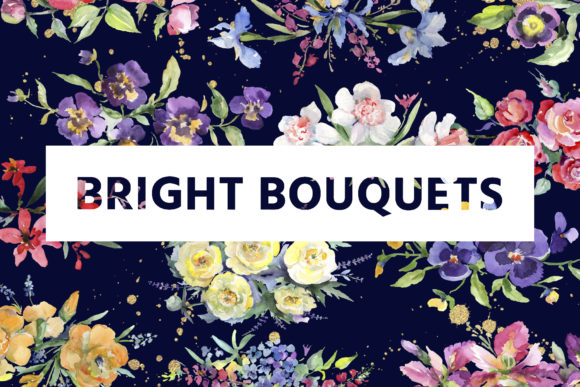
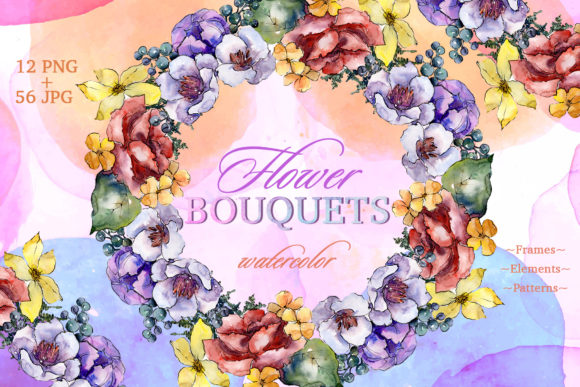
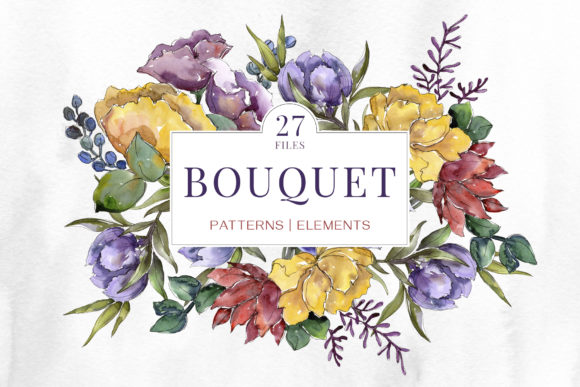
At first glance, the Hand-drawn Watercolor Flowers and Bouquets set exudes a soft, organic charm that feels immediately accessible. Unlike rigid vector graphics or hyper-realistic botanical scans, these designs capture the fluidity of watercolor paint. The edges are slightly irregular, and the color gradients suggest depth without being overly complex. This specific aesthetic is perfect for creating a handmade product line that feels personal and artisanal rather than mass-produced.
However, the challenge with watercolor styles in embroidery is always about managing expectations. In a digital file, a watercolor bleed looks like a seamless gradient. In an embroidery project, we have to recreate that effect using fill stitch and careful stitch density manipulation. The visual personality here leans heavily towards whimsy and nostalgia, making it an excellent candidate for baby embroidery, nursery decor, or romantic wedding gifts. It avoids the stiff, corporate look of many commercial assets, which is exactly what craft business owners need to stand out in a crowded market.
Real-World Application: From Screen to Stitch
To truly test the viability of Hand-drawn Watercolor Flowers and Bouquets, I imagined a specific scenario: preparing a custom embroidered tote bag for a local boutique client. The client wanted something that felt "light" and "spring-like" but durable enough for daily use. When I loaded the digital embroidery file into my software, the layout was intuitive. The bouquets were arranged in a way that allowed for flexibility; they could be used as a standalone focal point or repeated for a border pattern.
For a tote bag design, the scale is forgiving. The larger blooms in the collection allowed me to adjust the thread colors to match a pastel palette without losing definition. The key here is how the design handles the transition from light to dark areas. Since this is a watercolor style, relying on too many tiny color changes can lead to excessive thread trimming and potential puckering. Instead, I found that grouping similar tones and using a slightly looser fill stitch helped mimic the painted look while maintaining structural integrity.
This same logic applies to custom apparel. If you were to place one of these bouquets on a heavy cotton sweatshirt, the texture of the fabric would actually complement the organic nature of the design. The slight imperfections in the watercolor style hide minor stitching inconsistencies better than a sharp geometric pattern would. This makes Hand-drawn Watercolor Flowers and Bouquets particularly forgiving for decorators working with varied materials like fleece, denim, or canvas.
Navigating Fabric Textures and Hoop Sizes
While the design performs well on sturdy fabrics, there are limitations you must respect. One area requiring caution is small hoop sizes. Some of the more intricate details in the smaller flower heads rely on fine lines. If you attempt to downscale these significantly for a cap patch or a small embroidered patch, the detail may become muddy. The running stitch outlines might get lost, and the delicate petals could turn into solid blobs of thread.
I strongly advise against using these designs on thin, stretchy fabrics without significant reinforcement. The density required to achieve the watercolor effect adds weight. On a lightweight t-shirt or silk scarf, this weight can cause the fabric to pucker around the hoop, ruining the drape of the garment. Always use a high-quality stabilizer—preferably a tear-away for woven fabrics or a cut-away for knits—to ensure the design sits flat.
Furthermore, consider the background color. These designs shine on light to medium-colored fabrics. Attempting to replicate a watercolor wash on dark fabric requires extensive underlay and potentially thousands of extra stitches to build up opacity. This increases production time and thread consumption, which can eat into the margins of your small shop product line. For dark backgrounds, you might need to adapt the design by adding a satin border or a white underlay layer, which changes the original aesthetic.
Business Value and Customer Perception
From a commercial standpoint, the value of Hand-drawn Watercolor Flowers and Bouquets lies in its emotional resonance. Customers buying personalized gifts or boutique items are often looking for a story. A generic floral clipart screams "cheap," whereas a hand-drawn style suggests care and artistic intent. When a customer sees a sweatshirt embroidery featuring these flowers, they perceive higher quality because the design mimics human artistry.
This perception directly impacts buyer engagement and trust. In the world of commercial embroidery, consistency is key. If you use these assets across a range of products—pillow covers, aprons, tea towels—you create a cohesive brand identity. The soft, painterly vibe signals a specific lifestyle, appealing to customers who value aesthetics and comfort. This is particularly effective for holiday gifts or seasonal collections where the mood needs to be warm and inviting.
However, do not assume that "pretty" equals "profitable." You must evaluate the cost of production. Because watercolor effects require multiple layers of fill, the stitch count can be higher than expected. Before committing to a bulk order, calculate the time it takes to embroider one unit. If the stitch count is too high for your pricing model, you may need to simplify the design or limit it to premium-priced items.
Practical Designer Notes for Success
If you decide to integrate Hand-drawn Watercolor Flowers and Bouquets into your workflow, follow these practical steps to ensure success:
- Test on Scrap Fabric First: Never skip the test run. Embroider a sample on the exact fabric and stabilizer you plan to use. Check for puckering, thread breaks, and color blending issues.
- Review Stitch Density: Look closely at the darker areas of the watercolor blooms. If the density is too high, reduce it slightly to prevent stiffness. If it's too low, you'll see gaps in the coverage.
- Check Thread Color Contrast: Ensure the thread colors you select provide enough contrast against the fabric. Subtle watercolor shades can disappear on busy patterns.
- Inspect Small Details: Zoom in on the file to see how the smallest petals are rendered. If they are too small for your machine's needle size, consider simplifying them manually.
- Use Proper Stabilizer: Do not skimp here. The weight of the fill stitch demands support to keep the finished product professional.
- Confirm Licensing: Before selling any finished product or digital mockups, verify the licensing terms of the embroidery file. Ensure you have the right to sell physical items made with the design.
- Create Printable Mockups: Use the design to create realistic previews for your online store. Show customers how the watercolor effect looks on different garments to manage expectations.
In conclusion, Hand-drawn Watercolor Flowers and Bouquets offers a beautiful opportunity for designers to add a touch of artistic flair to their work. It is not a plug-and-play solution for every situation, but when used correctly on appropriate fabrics and scales, it elevates a standard embroidery project into a piece of wearable art. By respecting the technical requirements of the medium and focusing on quality control, you can turn these illustrations into a profitable and beloved part of your craft business.