Watercolor Bows Illustrations, Baby Bows Review
As a designer who has spent years translating digital files into tangible stitched goods, I approach every new machine embroidery design with a mix of excitement and skepticism. The market is flooded with generic patterns, so finding a motif that truly elevates a handmade product requires a keen eye. Recently, I evaluated the Watercolor Bows Illustrations, Baby Bows collection to see if it holds up under the scrutiny of real-world production. My goal was simple: determine if this embroidery file can transform a basic garment into a premium boutique item or if it falls flat when converted from pixels to thread.
First Impressions: Capturing the Soft Aesthetic
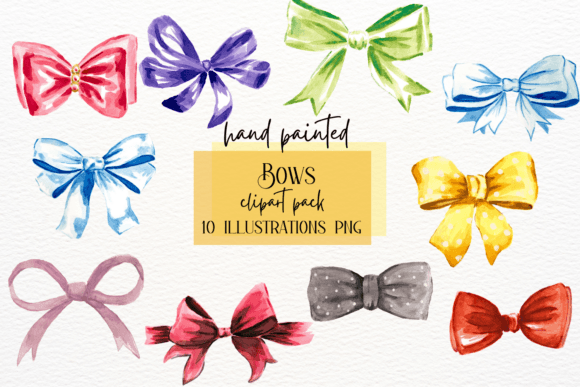
At first glance, the Watercolor Bows Illustrations, Baby Bows set exudes a gentle, whimsical charm that is immediately appealing for nursery decor and baby apparel. The visual personality leans heavily into soft gradients and organic shapes, mimicking the fluidity of watercolor paint on paper. For an Etsy seller or a small shop owner targeting parents, this aesthetic is gold. It avoids the harsh, rigid lines often found in standard vector art, offering instead a dreamy quality that feels curated and thoughtful.
However, the transition from illustration to stitch is where the real work begins. Watercolor effects rely on subtle color blending, which can be challenging to replicate with thread colors. The design's layout suggests a delicate balance between negative space and filled areas. If executed correctly, the result is a sophisticated finished product that commands attention without overwhelming the fabric. The mood it creates is one of tenderness and care, making it an ideal candidate for personalized gifts like baby blankets, onesies, or custom aprons for new mothers.
Testing the Design on Real Fabrics
To truly understand the potential of Watercolor Bows Illustrations, Baby Bows, I moved beyond the screen and prepared a test run on a high-quality cotton tote bag. This scenario is common for craft businesses looking to create branded merchandise or unique tote bag designs. The goal was to see how the intricate details of the bows would translate onto a textured surface.
The stitching process revealed both strengths and challenges. The design relies heavily on fill stitch techniques to achieve the gradient look. On the smooth cotton of the tote, the density held up well, creating a soft, raised texture that mimics the brushstrokes of a painting. However, when I switched to a heavier canvas intended for a sweatshirt embroidery project, the stitch density required careful adjustment. Without proper tension settings, the finer details of the watercolor effect risked becoming muddy or losing definition against the loopier texture of fleece or heavy knit.
For baby embroidery projects, such as patching a onesie or decorating a bib, the softness of the design is a major asset. Parents are drawn to items that feel gentle against their skin. The rounded edges of the bows in the Illustrations collection prevent sharp points that could irritate sensitive skin, adding a layer of practical safety to the aesthetic appeal. This makes it a strong contender for holiday embroidery sets or personalized nursery accessories where comfort is just as important as style.
Navigating Fabric Challenges and Limitations
While the design is versatile, it is not a "one-size-fits-all" solution. There are specific scenarios where Watercolor Bows Illustrations, Baby Bows needs to be used with caution. Thin or highly stretchy fabrics, such as jersey knits or silk, can distort the delicate lines of the watercolor effect. If the fabric stretches during hooping, the illusion of a painted bow can break, resulting in uneven gaps in the fill stitch.
Dark fabrics present another hurdle. Watercolor aesthetics typically rely on light backgrounds to show off the translucency and color blending. Placing these designs on black or navy fabric without a significant underlay or a white backing can mute the vibrant hues, turning a bright bow into a dull shape. In these cases, using an applique design technique underneath might be necessary to provide a clean base, though this adds time and cost to the production process.
Furthermore, curved surfaces like caps require a different approach. The complex curves of the bows might struggle to conform to the dome of a hat without puckering. If you plan to use this digital embroidery file for headwear, ensure your hoop size allows for adequate stabilization and consider simplifying the design slightly to accommodate the curvature.
Commercial Viability and Brand Consistency
For creative entrepreneurs and craft business owners, the value of a design lies in its ability to enhance brand consistency and customer trust. The Watercolor Bows Illustrations, Baby Bows collection offers a distinct visual signature that can help a small shop product stand out in a crowded marketplace. When customers see a cohesive line of items featuring these soft, artistic bows, they perceive higher quality and attention to detail.
This design works exceptionally well for commercial embroidery projects aimed at gifting. Imagine a collection of holiday stockings, tea towels, or pillow covers featuring these bows; the emotional connection is immediate. It signals thoughtfulness and elegance, increasing the perceived value of the item. For an Etsy seller, using high-quality mockups that showcase the design on various products can significantly boost buyer engagement. A printable mockup showing the bow on a soft linen pillow cover can sell the dream before the customer even sees the physical thread.
However, maintaining professionalism means understanding the limitations. Do not attempt to use this design for tiny lettering or extremely small hoop sizes. The delicate nature of the watercolor effect means that shrinking the scale too much will cause the stitches to blur together, ruining the artistic intent. Always prioritize clarity over quantity. A larger, well-executed bow on a tote bag looks far more professional than a cramped, muddy version on a keychain.
Practical Designer Notes for Success
Before committing to a full production run with Watercolor Bows Illustrations, Baby Bows, follow these critical steps to ensure success:
- Test on Scrap Fabric: Never skip the test stitch. Run the design on the exact fabric you intend to use to check for puckering, thread breaks, and color accuracy.
- Check Thread Color Contrast: Ensure the thread colors you select have enough contrast against the background fabric to maintain the watercolor illusion.
- Review Stitch Density: Adjust the density settings in your software if the design appears too tight or too loose on your specific machine.
- Confirm Hoop Size: Verify that the design fits comfortably within your hoop without stretching the fabric excessively.
- Inspect Small Details: Zoom in on the finished test to ensure no tiny loops or gaps ruin the smooth finish.
- Use Proper Stabilizer: Invest in a high-quality stabilizer to support the weight of the thread, especially on lighter fabrics.
- Verify Licensing: Always confirm the licensing terms before selling finished products or using the design for commercial purposes. Ensure you have the right to sell items made with this design asset.
In conclusion, Watercolor Bows Illustrations, Baby Bows is a powerful tool for designers who want to infuse their work with artistry and emotion. It bridges the gap between digital illustration and tactile craftsmanship, offering a unique selling point for custom apparel and home decor. By respecting its technical requirements and applying it thoughtfully, you can create handmade products that resonate deeply with customers and elevate your brand's reputation. Whether for a single personalized gift or a full commercial embroidery line, this design has the potential to be a standout favorite in your portfolio.