Fast Food Hot Dog Watercolor Embroidery Review
As a designer who has spent years curating assets for both personal craft projects and commercial small businesses, I approach every new machine embroidery design with a critical eye. The market is flooded with generic clip art, but finding an asset that translates well from a digital screen to a physical stitch is rare. Recently, I evaluated the Fast Food Hot Dog Watercolor design, categorized under Illustrations, to see if it holds up in real-world application. This isn't just about whether the image looks cute; it is about how it performs when stitched onto fabric, how it impacts your brand, and whether it will sell on platforms like Etsy or at a local craft fair.
First Impressions: Mood and Visual Personality
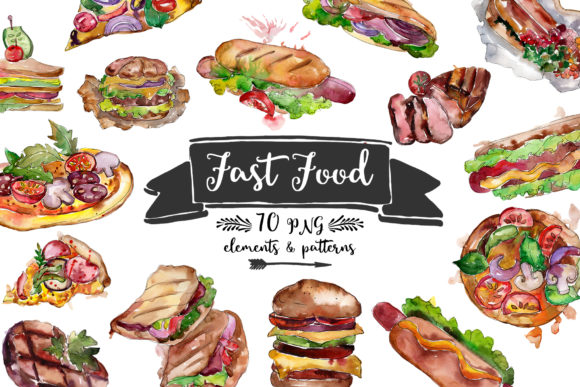
The moment you open the preview of Fast Food Hot Dog Watercolor, the aesthetic is immediately distinct. It captures that nostalgic, slightly messy charm of fast food culture without feeling tacky. The watercolor style suggests softness and artistic flair, which is a refreshing departure from the hard-edged vector graphics often used in standard apparel decoration. For a handmade product line, this visual personality speaks volumes. It signals creativity and a touch of whimsy, making it an excellent candidate for items that need to feel personalized rather than mass-produced.
When I consider the layout, the hot dog shape is balanced and recognizable, even when scaled down. The watercolor splashes around the bun and sausage add depth, which is crucial for creating a sense of dimension in thread. However, this style relies heavily on color blending. In a digital file, gradients are smooth; in embroidery, they must be achieved through specific stitch techniques. My initial assessment is that this design works best where the focus is on a central motif, such as the chest of a sweatshirt or the center of a tote bag, rather than as a repeating pattern.
Real-World Application: From File to Fabric
To truly understand the value of Fast Food Hot Dog Watercolor, I imagined preparing a custom embroidered tote bag for a summer food festival booth. The goal was to create a limited-run item that felt unique to our shop's brand. When I loaded the embroidery file into my machine, the first thing I noticed was the potential for texture. The watercolor effect in the design translates beautifully into varying densities of fill stitch. By using lighter thread colors for the "wash" areas and darker tones for the outlines, the finished product mimics the look of paint on canvas.
This design is particularly effective for custom apparel like oversized t-shirts and flannel shirts. Imagine a sweatshirt embroidery project where the hot dog sits prominently on the front. The playful nature of the subject matter appeals to a wide demographic, from college students to parents looking for fun family matching gear. I also envision this working wonderfully on kitchen textiles. A set of tea towels featuring Fast Food Hot Dog Watercolor would make a charming holiday gift or a quirky addition to a nursery decor collection for a child who loves snacks.
For the Etsy seller or boutique owner, the versatility is key. You could use this as a standalone statement piece on a cap or integrate it into a larger composition on an apron. The design feels substantial enough to stand alone on a patch, which opens up opportunities for selling embroidered patches as accessories for denim jackets or backpacks. The watercolor style elevates the perceived value of the item, allowing you to price your small shop product higher than a basic logo print because it clearly represents a labor-intensive, artistic process.
Navigating Challenges: Where Caution is Needed
While Fast Food Hot Dog Watercolor is visually striking, experienced designers know that not all designs work on every surface. The watercolor aesthetic relies on subtle shading, which can be tricky on certain fabrics. If you attempt this on a highly textured fabric like heavy wool or a nubby linen, the fine details of the watercolor splashes might get lost in the weave. Similarly, on very thin or stretchy fabrics, the density required to achieve the color depth could cause puckering if the wrong stabilizer is used.
I would advise against using this design on curved surfaces like baseball caps unless you have significant experience with cap frames. The intricate edges of the watercolor drops require precise stitching, and the curvature of a cap can distort the shape of the hot dog if the hoop tension isn't perfect. Additionally, while the design is vibrant, placing it on dark fabric requires careful consideration of the thread colors. Without a proper underlay or a backing layer, the pastel watercolor tones might disappear against a black background. Always test the design on scrap fabric first to ensure the contrast is visible and the stitches lay flat.
Another area for caution is the scale. While the design is scalable, shrinking it too much for a small hoop size can result in a loss of detail. The delicate lines that define the mustard and ketchup drips might merge into a single blob if the stitch density becomes too high relative to the size. For baby embroidery items, where safety and softness are paramount, ensure that the back of the stitching is clean and free of loose threads, as infants are sensitive to rough textures.
Design Notes for Professional Results
To maximize the potential of Fast Food Hot Dog Watercolor, follow these practical steps before committing to a full production run:
- Test on Scrap Fabric: Never skip the test stitch. Run the design on a piece of the actual fabric you plan to use to check for puckering and color accuracy.
- Review Stitch Density: Inspect the watercolor areas closely. If the fill is too dense, the fabric may become stiff. Adjust the settings if your software allows to maintain a softer hand feel.
- Check Thread Contrast: Compare light and dark fabric backgrounds. You may need to swap out some thread colors to ensure the watercolor effect pops against the base material.
- Confirm Hoop Size: Ensure your hoop is large enough to accommodate the design without cutting off the outer watercolor splashes, which are essential to the overall look.
- Use Proper Stabilizer: For commercial embroidery projects, invest in high-quality tear-away or cut-away stabilizers to support the weight of the thread, especially on knit fabrics.
- Verify Licensing: Before selling finished items or offering this as a digital product, confirm the licensing terms. Some Illustrations are restricted to personal use only, while others allow for commercial embroidery sales.
Final Verdict on Commercial Viability
In the competitive world of handmade goods, standing out requires assets that offer both quality and character. Fast Food Hot Dog Watercolor delivers on both fronts. It transforms a mundane subject into a piece of art that customers want to wear and display. Whether you are creating a personalized gift for a friend or stocking inventory for your online store, this design adds a layer of professionalism and creativity to your work.
The key to success lies in understanding its limitations and strengths. By choosing the right fabric, using adequate stabilization, and testing thoroughly, you can turn this machine embroidery design into a bestseller. It is a versatile tool for the modern maker, suitable for everything from holiday embroidery collections to everyday apparel decorators looking to inject some fun into their portfolio. If you are ready to elevate your finished product with a touch of artistic flair, this design is definitely worth adding to your library of design assets.