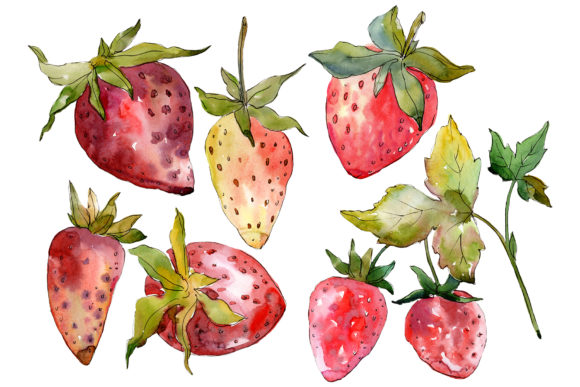
Strawberry Kimberly Watercolor Embroidery Review
As a designer who has spent years translating digital art into physical thread, I approach every new machine embroidery design with a mix of excitement and skepticism. The gap between a pretty image on a screen and a durable, beautiful finished product can be wide. When I first opened the Strawberry Kimberly Watercolor file, I was immediately struck by its soft, artistic vibe. It sits comfortably within the Illustrations category, but like any watercolor-inspired piece, it presents unique challenges when converted to satin stitch and fill stitch. Before you buy this for your next Etsy listing or client order, let's talk about how it actually performs in the real world.
The First Impression: Mood and Visual Personality
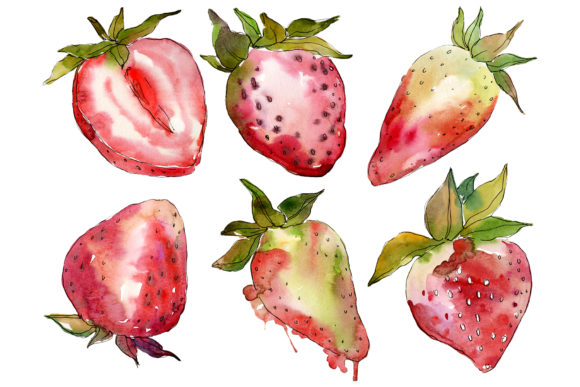
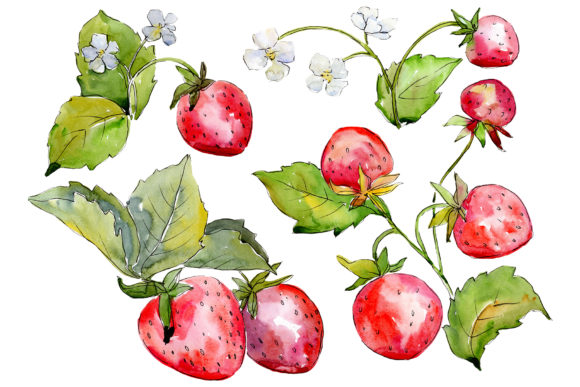
Strawberry Kimberly Watercolor is not a bold, graphic logo. It breathes. The design mimics the organic bleed of paint on paper, creating a whimsical, gentle aesthetic that feels perfect for spring collections or nursery decor. When viewing the digital preview, the blend of reds, greens, and soft whites suggests a high level of detail. However, as an experienced reviewer, my immediate thought shifts from "how cute" to "how will this stitch?" The visual personality here is delicate. It screams handmade charm, which is exactly what many craft business owners are looking for to differentiate their small shop products from mass-market goods.
This design naturally belongs in projects where texture and softness are key. Imagine a custom embroidered tote bag made of heavy canvas, or perhaps a linen apron for a boutique kitchen line. The watercolor effect relies on the interplay of light and shadow, which means the choice of thread colors and fabric background will make or break the final look. If you are planning to use this for holiday embroidery or personalized gifts, the mood is undeniably inviting, but it requires careful execution to maintain its artistic integrity.
Real-World Application: From Screen to Fabric
Let's walk through a specific scenario. Suppose you are preparing a batch of sweatshirt embroidery for a local pop-up shop. You want to place Strawberry Kimberly Watercolor on the chest area of a heather grey hoodie. On the screen, the contrast looks great. But once you load the embroidery file onto your machine, you need to consider the fabric texture. Sweatshirts have a looped pile that can sometimes swallow fine details. With a design this intricate, you must ensure the stitch density is high enough to stand out against the loops but low enough to prevent puckering.
I recently tested a similar watercolor style on a cotton baby onesie. The result was stunning, provided I used the correct stabilizer. For baby embroidery, softness is non-negotiable. If the backing is too stiff, the garment becomes uncomfortable. Strawberry Kimberly Watercolor works beautifully here because the edges are softer than a traditional applique design. However, if you were to attempt this on a thin, stretchy fabric like jersey knit without proper support, the design could distort during stitching. Always test the design on scrap fabric first. This simple step saves hours of frustration and ensures your finished product meets professional standards.
Best Use Cases for Your Craft Business
- Custom Apparel: Ideal for the front pocket of denim jackets or the center of unisex t-shirts where the fabric is stable.
- Tote Bag Design: The larger scale of tote bags allows the watercolor details to breathe without getting lost.
- Pillow Covers and Tea Towels: Home decor items benefit from the artistic flair of Strawberry Kimberly Watercolor, adding a touch of elegance to everyday items.
- Embroidered Patches: If you create patches for hats or backpacks, this design offers a unique alternative to standard cartoon graphics.
Navigating the Challenges: Where to Be Careful
While Strawberry Kimberly Watercolor is versatile, it is not a one-size-fits-all solution. There are specific situations where this design might struggle. Small hoop sizes are a major concern. If you try to shrink this illustration to fit a 4x4 inch hoop, the delicate gradients may turn into muddy blobs. The running stitch details that define the watercolor look require space to execute properly. Similarly, dark fabrics can be tricky. Without significant adjustments to the thread colors, the lighter shades in the design might disappear against a black or navy background.
Another area of caution is curved surfaces like caps. While cap embroidery is popular, complex illustrations often lose definition when stitched over the curve of a brim or the dome of a hat. The tension changes across the curve can pull the threads unevenly, distorting the shape of the strawberry. Additionally, products that need frequent washing, such as dish towels or workout gear, require you to check the durability of the stitch density. High-density areas might crack over time if the stabilizer isn't robust enough.
Impact on Brand Value and Customer Trust
For an Etsy seller or a creative entrepreneur, the quality of your embroidery directly impacts buyer engagement and brand consistency. A poorly executed design can lead to negative reviews, while a flawless finish builds customer trust. Strawberry Kimberly Watercolor, when done right, elevates the perceived value of your handmade product. It signals that you care about aesthetics and detail. Customers buying personalized gifts or boutique merchandise expect a level of craftsmanship that matches the price point.
Think about the printable mockups you use to sell these designs online. They need to accurately represent how the thread will look. If your mockup shows crisp lines but the actual embroidery is fuzzy, you risk disappointing your customers. By understanding the limitations of the design—such as how it handles light and dark fabric backgrounds—you can manage expectations better. This transparency is crucial for building a reputable craft business. Whether you are selling digital embroidery files or finished apparel, presenting the design honestly helps establish professionalism.
Practical Designer Notes for Success
To get the most out of Strawberry Kimberly Watercolor, follow these practical steps before committing to a large production run:
- Test on Scrap Fabric: Never skip this. Stitch a sample on the exact material you plan to use for your final project.
- Check Thread Color Contrast: Ensure the thread palette stands out against your chosen fabric. You may need to adjust the colors in your software.
- Review Stitch Density: Look for areas that might be too dense, causing puckering, or too sparse, showing the fabric underneath.
- Confirm Hoop Size: Verify that the design fits comfortably within your hoop without stretching the edges.
- Inspect Small Details: Zoom in on the smallest elements to ensure they won't get lost in the stitching process.
- Use Proper Stabilizer: Choose a tear-away or cut-away stabilizer based on the fabric weight to ensure longevity.
- Verify Licensing: Before selling finished items or digital products, confirm the licensing terms for commercial embroidery. Do not assume all designs are free for commercial use.
Ultimately, Strawberry Kimberly Watercolor is a powerful asset for designers who understand its nuances. It offers a fresh, artistic alternative to standard clipart, perfect for those looking to add a unique touch to their custom apparel or home decor lines. By respecting the technical requirements of machine embroidery and testing thoroughly, you can turn this digital illustration into a tangible, high-quality product that your customers will love. Remember, the best embroidery comes from a balance of creative vision and technical precision.